Luxury Cars Exported to Russia: When Car Trading Becomes a Crime (Würzburg Regional Court 2026)
6 Years in Prison and 20 Million Euros Confiscated: How Harshly the Judiciary Punishes Car Exporters.
On March 2, 2026, the Würzburg Regional Court delivered a verdict that is causing shock throughout the entire automotive industry. The 5th Criminal Chamber sentenced a 49-year-old car dealer from the Miltenberg district to six years in prison for commercial violations of the EU embargo regulation. His former authorized officer received a two-year suspended sentence.
At the same time, the economic crimes chamber ordered the confiscation of assets amounting to around 20 million euros, covering both the company’s and the convicted persons’ private assets. The judgment is not yet final, but the signal it sends is devastating: anyone who has exported luxury cars to Russia faces the threat of complete destruction of their livelihood.
If you, as a car dealer, have sold vehicles abroad and are wondering whether your business activities could come under the scrutiny of criminal prosecution, then read this article to the end. Experience shows that many affected individuals only recognize the scale of the threat when the customs investigation authorities are already at their door.
111 Luxury Vehicles for the Kremlin: The Würzburg Case in Detail
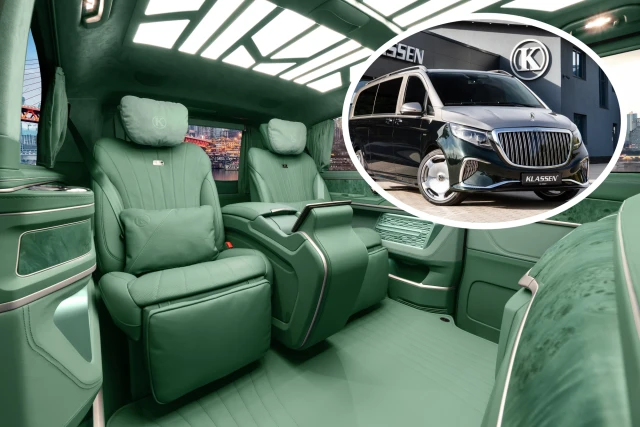
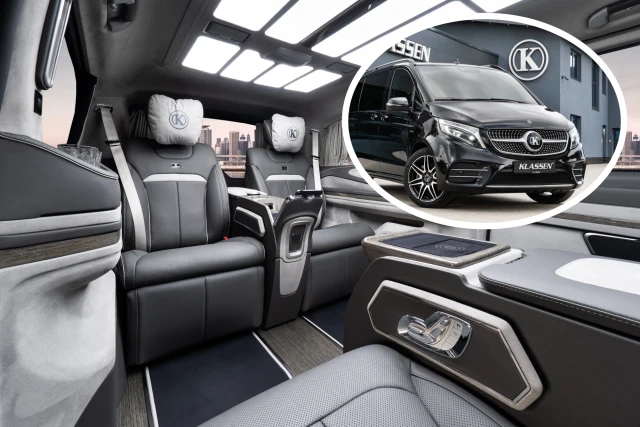
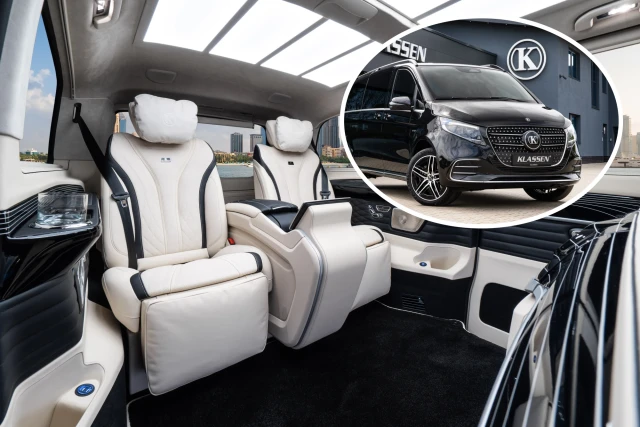
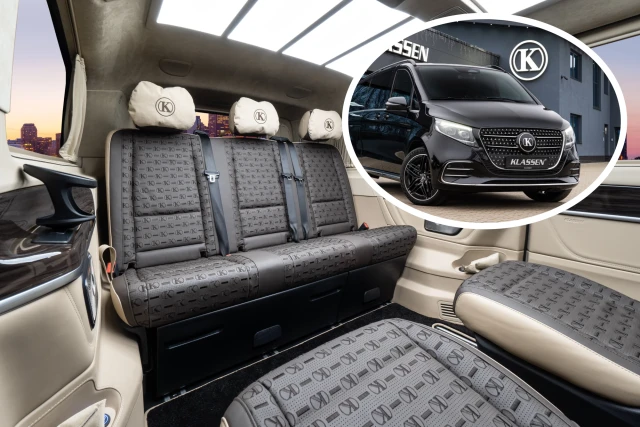
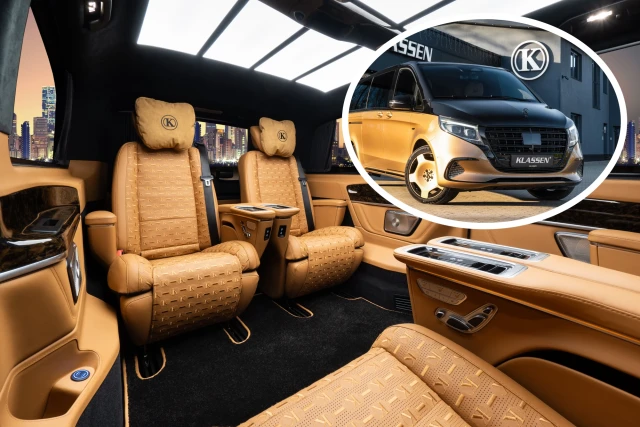
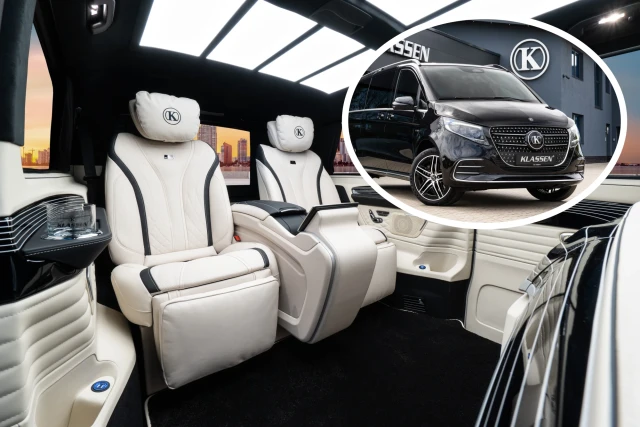
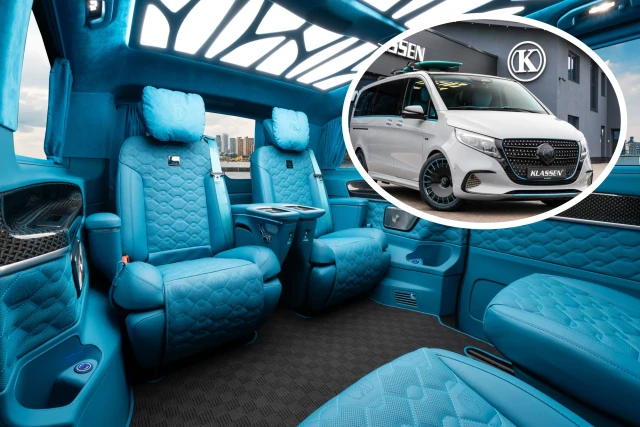
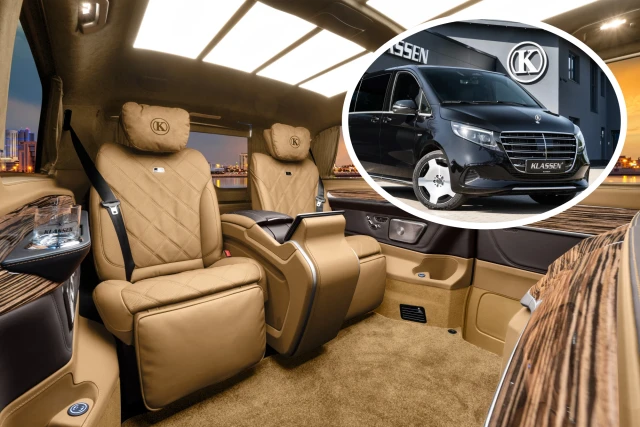
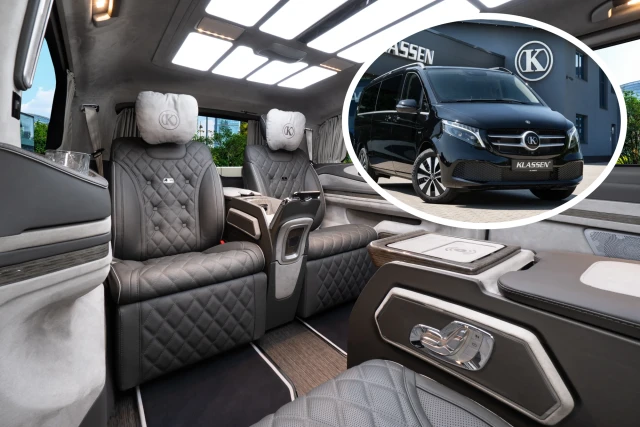
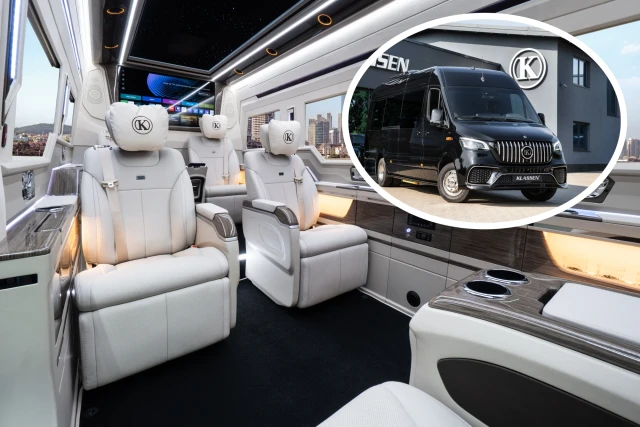
The defendant operated a car trading company in the Bavarian Lower Main region that specialized in armored luxury vehicles and models from a well-known German premium manufacturer. Before the EU tightened export bans on luxury goods, he primarily supplied customers in Kazakhstan. From July 2022 onward, he shifted his business almost entirely to the prohibited export.
According to findings by the Essen Customs Investigation Office, he developed into one of the most important suppliers to two of the largest luxury car dealers in the destination country. In total, 111 vehicles with a combined value of almost 20 million euros were transported from the Bavarian Lower Main region through concealed delivery routes to the sanctioned market.
What is particularly explosive is where these vehicles ultimately ended up being used. Investigations revealed that numerous exported vehicles were used by state authorities. The end users included the FSO, which is responsible among other things for the protection of the president, the Presidential Administration, the domestic intelligence service FSB, and state-owned companies such as the oil corporation ROSNEFT.
This circumstance likely played a very significant role in determining the sentence. The targeted supply of security authorities of a sanctioned state directly undermines the purpose of the EU embargo in a particularly serious manner and shows the courts that this is by no means a minor offense.
Shell Companies, Obstruction, and the Pressure of the Evidence
Because the defendant was not allowed to obtain new vehicles from the manufacturer directly, he built a widely branched network of shell companies. The Essen Customs Investigation Office had been investigating since May 2024 together with the Würzburg Public Prosecutor’s Office, initially covertly. On September 17, 2024, the investigation entered the open phase and residential and business premises were searched.
The evaluation of the seized evidence substantiated the suspicion of a crime, prompting the Würzburg District Court to issue an arrest warrant. This was executed on November 7, 2024. Since then, the defendant had been in pre-trial detention in Würzburg Prison.
Investigations also revealed that the defendant acted conspiratorially and actively attempted to obstruct prosecution through acts of concealment and the destruction of evidence. Despite these efforts, the Essen customs investigators succeeded in proving the defendant’s actions through particularly careful analysis.
It is noteworthy that he had previously publicly denied the accusations in the regional press before fully confessing in court under the pressure of the evidence and the announced confession of his co-defendant authorized officer. The court acknowledged this change in strategy with what is known as a negotiated agreement, which limited the sentencing range downward.
Without this confession, the sentence could have been significantly higher. The public prosecutor had requested six and a half years. At the same time, the investigation revealed that the defendant had planned the delivery of another 400 new vehicles with a total value of almost 40 million euros. Customs investigators were able to thwart these plans just in time.
Pre-trial Detention, Frozen Accounts, and Asset Seizure: The Immediate Consequences
What many affected individuals underestimate is the speed with which the authorities act. In the Würzburg case, less than two months passed between the search on September 17, 2024, and the execution of the arrest warrant on November 7, 2024. For you, this means: you are torn out of your normal everyday life and can no longer access your business documents.
Parallel to the arrest, investigative authorities regularly enforce asset freezes pursuant to Section 111b of the German Code of Criminal Procedure. Your bank accounts are frozen, your vehicles confiscated, and your real estate encumbered with seizure mortgages even before a judgment has been issued.
In the case of the car dealer from Lohra who was convicted before the Marburg Regional Court for exporting 71 luxury cars, officers seized three high-value vehicles and nearly 130,000 euros in cash during the search alone. These assets were no longer available to the suspect from one day to the next.
The economic consequences of such a measure are devastating for most affected individuals: they can no longer pay suppliers, fulfill ongoing contracts, or pay employees. Their car trading business comes to a standstill overnight while the investigations continue.
Particularly insidious is the interaction between pre-trial detention and asset seizure. While you are sitting in prison, you lack the financial resources for a specialized defense attorney. At the same time, the clock is ticking because the public prosecutor has six months to file charges. The longer you remain without competent defense, the more facts the prosecution creates against you.
20 Million Euros Confiscated: How a Verdict Can Destroy an Entire Existence
What makes this case an alarm signal for every car dealer throughout Germany is not only the six-year prison sentence. It is the confiscation order that the court issued alongside the sentence. Around 20 million euros are to be confiscated from the company’s and the private assets.
This amount does not only include the proceeds from the prohibited car transactions. The court reaches deeply into the entire asset base: bank deposits, vehicles, real estate, and all valuables that can be attributed as proceeds of the crimes fall under the confiscation order pursuant to Section 73 of the German Criminal Code.
For you as an affected person, this means that even if you regain your freedom after serving the prison sentence, your economic existence may be left with nothing. Asset confiscation has become the sharpest weapon of criminal prosecution in cases involving sanctions violations.
Through extended confiscation pursuant to Section 73a of the German Criminal Code, courts can also seize assets whose lawful acquisition cannot be proven. Early and competent defense against asset confiscation is therefore just as crucial as the defense against the accusation itself. You can find out how to protect yourself against financial destruction in embargo violation cases on our page about defense in white-collar criminal law.
Not an Isolated Case: The Wave of Convictions Is Rolling Across Germany
The judgment of the Würzburg Regional Court does not stand alone. It is part of an increasingly dense series of criminal proceedings and convictions that demonstrate how determined law enforcement authorities are in combating illegal vehicle exports to Russia.
On July 8, 2025, the Marburg Regional Court already sentenced a 56-year-old car dealer from Lohra to five years in prison for exporting 71 luxury vehicles to Russia. The court ordered the confiscation of assets amounting to around five million euros. The defendant had transported the luxury cars to the sanctioned market while pretending to export them lawfully to third countries.
At the same time, public prosecutor’s offices and customs investigation offices across Germany are conducting further major proceedings for violations of the Russia embargo. The Mannheim Public Prosecutor’s Office is investigating a case involving around 100 vehicles and a volume of 15 million euros. The Hanover Public Prosecutor’s Office is pursuing a case involving 3.4 million euros. The Frankfurt Customs Investigation Office is handling another case involving 30 vehicles and 3.5 million euros.
Even outside the car trade, authorities are increasing pressure. The Federal Prosecutor General is conducting proceedings concerning systematic circumvention structures using shell companies and contract volumes in the tens of millions. For car dealers who have delivered vehicles to Russia, this means: prosecution for sanctions violations is not a temporary wave but a permanent enforcement focus.
The Essen Customs Investigation Office has established itself as the central investigative authority for vehicle export violations and coordinates proceedings across federal states. If you believe that your export business has remained undiscovered, you should know that investigators may already have been working covertly against you for months, just as happened in the Würzburg case.
The investigators’ patterns are now well established: first a covert evaluation of customs and export data, then the securing of digital evidence, followed by coordinated searches of residential and business premises, and finally the arrest warrant. Anyone who contacts a lawyer for the first time at this stage has already lost valuable defense time.
Why Vehicle Exports Can Put You in Prison: The Legal Foundations
The export of luxury cars to Russia has been prohibited since the sanctions regulations came into force in 2022. Article 3a and Article 3g of Regulation (EU) No. 833/2014 prohibit the export of certain goods, explicitly including motor vehicles valued at 50,000 euros or more.
With the 20th sanctions package, which has applied since February 2026, the EU has significantly tightened the control framework once again and in particular placed stronger focus on circumvention through third countries. The circumvention ban under Article 12 of Regulation (EU) No. 833/2014 also covers indirect exports via Kazakhstan, Turkey, or the United Arab Emirates.
The criminal provision can be found in Section 18 of the Foreign Trade and Payments Act. The regular sentencing range is imprisonment from three months up to five years. If the offender acts on a commercial basis, the range increases under Section 18(7) AWG to two to fifteen years. This exact qualification was applied in the Würzburg criminal proceedings.
What is decisive for you: courts regularly affirm intent in car export cases. The export bans on luxury vehicles to Russia have been publicly known for years. A mistake regarding the prohibition within the meaning of Section 17 of the German Criminal Code is recognized only in very limited exceptional cases. In systematic exports through shell companies and third countries, an unavoidable mistake is almost completely ruled out.
The full chain of legal provisions spans several legal levels. At the European level stand the export bans of Articles 3a and 3g of Regulation (EU) No. 833/2014 as well as the circumvention ban of Article 12. At the national level, Section 18 AWG in conjunction with Section 34 AWV forms the criminal provision, supplemented by the confiscation rules of Sections 73 and 73a of the German Criminal Code and the procedural instruments of Section 111b of the Code of Criminal Procedure.
Commercial, Organized, Conspiratorial: The Factors That Increase the Sentence
The Würzburg verdict demonstrates how law enforcement authorities use the qualification features of Section 18 AWG. Acting on a commercial basis was obvious, as the defendant had aligned his entire business model with the prohibited export. But even with dealers who exported only individual vehicles, investigators examine whether organized group activity exists.
Cooperation with even a single accomplice may under certain circumstances constitute organized activity under Section 18(8) AWG if the cooperation was intended to continue for a certain period. From this point onward, the minimum sentence is two years of imprisonment. Suspension of the sentence on probation is then generally excluded, and negotiated agreements become significantly more difficult for the defense.
The conviction of the authorized officer to two years on probation shows that courts do not spare employees either. Anyone who, as an employee, authorized officer, or dispatcher, participates in the handling of prohibited exports exposes themselves to accusations of joint perpetration under Section 25(2) of the German Criminal Code or aiding and abetting under Section 27 of the German Criminal Code.
The fact that the authorized officer did not escape with a fine despite her confession but received a prison sentence underscores the severity with which courts treat Russia embargo violations. For employees in car dealerships and export companies who were involved in handling such transactions, the Würzburg judgment is a clear warning.
If You Have Sold Vehicles Abroad: What You Should Know Now
Criminal investigations for embargo violations in the vehicle trade are increasing rapidly. Customs investigation offices have established specialized teams that systematically analyze export data and recognize patterns. If you have exported luxury cars to countries such as Kazakhstan, Uzbekistan, Turkey, or the United Arab Emirates, you should urgently have your situation assessed.
Law enforcement authorities now assume that a considerable portion of vehicle exports to these third countries are in fact circumvention transactions whose true destination was Russia. Customs investigators systematically analyze trade data, payment flows, and recipient structures to trace such transit transactions.
The same applies if you have already received a visit from customs investigators, if your accounts have been frozen, or if you have received a summons as a suspect. In all these cases, every hour counts. Experience from previous criminal proceedings shows that suspects who engage specialized defense in white-collar criminal law at an early stage achieve significantly better results.
This is particularly true for defense against asset confiscation, which in most cases represents a more existential threat than the prison sentence itself. A specialized defense attorney can already initiate measures against asset seizure during the early investigation phase and thereby secure your financial capacity to act.
The tightened sanctions since February 2026 have increased investigative pressure once again. The EU has strengthened documentation obligations for exporters and intensified information exchange between national customs authorities. Even transactions you carried out two or three years ago can still become the subject of criminal proceedings today. The statute of limitations for commercial violations under Section 18(7) AWG is ten years.
This means specifically: if you exported luxury cars to Russia or typical transit countries between 2022 and 2025, investigative authorities can still prosecute these transactions into the 2030s. The hope that time will simply erase the issue is unfounded in this field of offenses. Customs investigators are continuously expanding their capacities, and the digital analysis of trade and financial data makes it nearly impossible to conceal export patterns permanently.
Author: https://www.anwalt.de/anna-o-o...
Original text: https://www.anwalt.de/rechtsti...